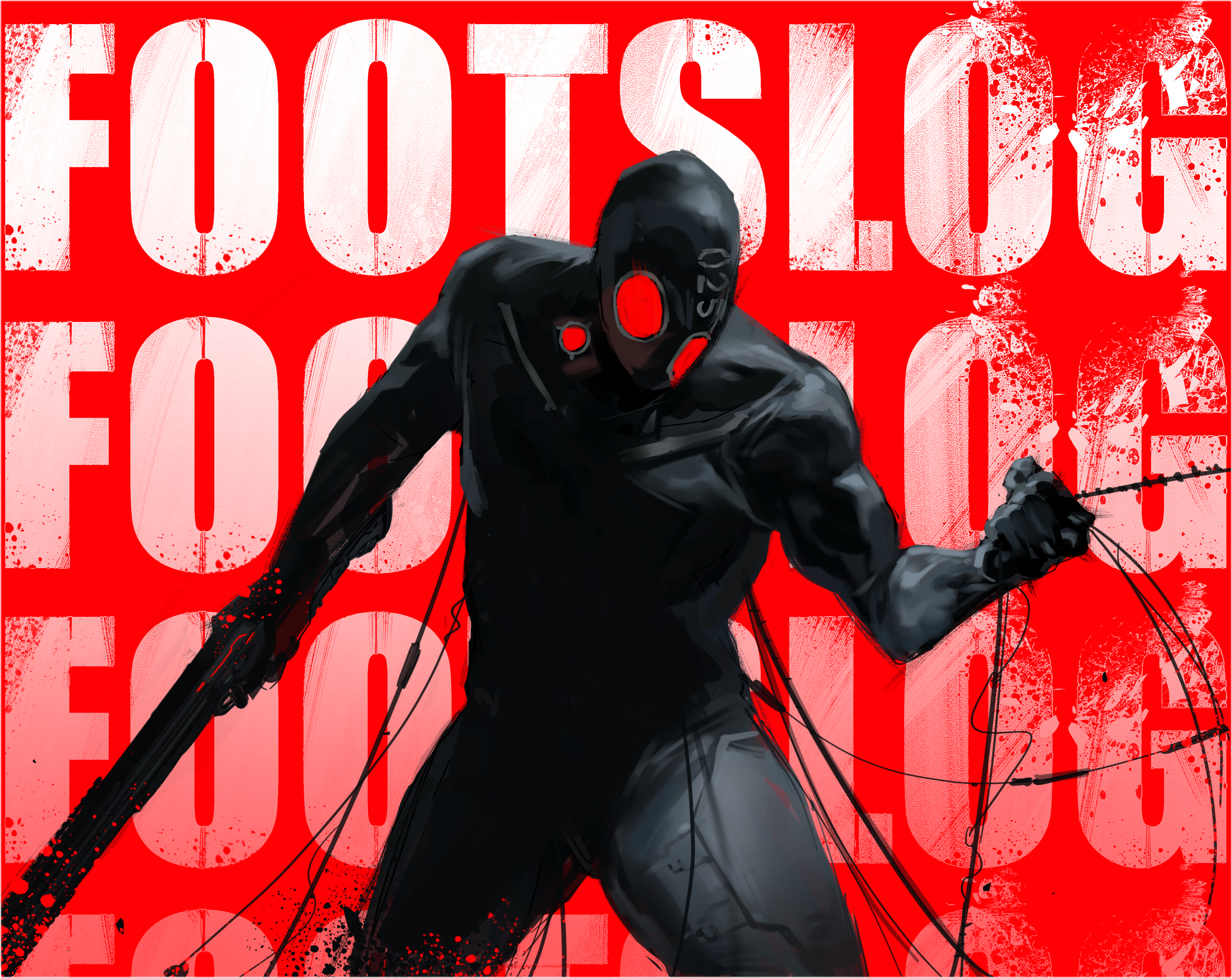
FOOTSLOG
Unity · Retro FPS
.png)


Level Designer & Scripter
How to unlock
Congratulations! To say thank you for taking the time to explore my portfolio, I would love to make a level for a game of your choice!
Contact MeSelected level design and scripting work. Each project is built around a clear process: readable spaces, clear player goals, and production-ready implementation. Click any project to explore it.
Unity · Retro FPS
Unreal · 3rd Person

Mobile · 2D Roguelite

Mobile · Farming

Unity · 3D Exploration
PC · 2D Pixel Art
Interactive Novel

Unity · 3D Puzzle
PC · Physics

Board Game · Physical Prototype
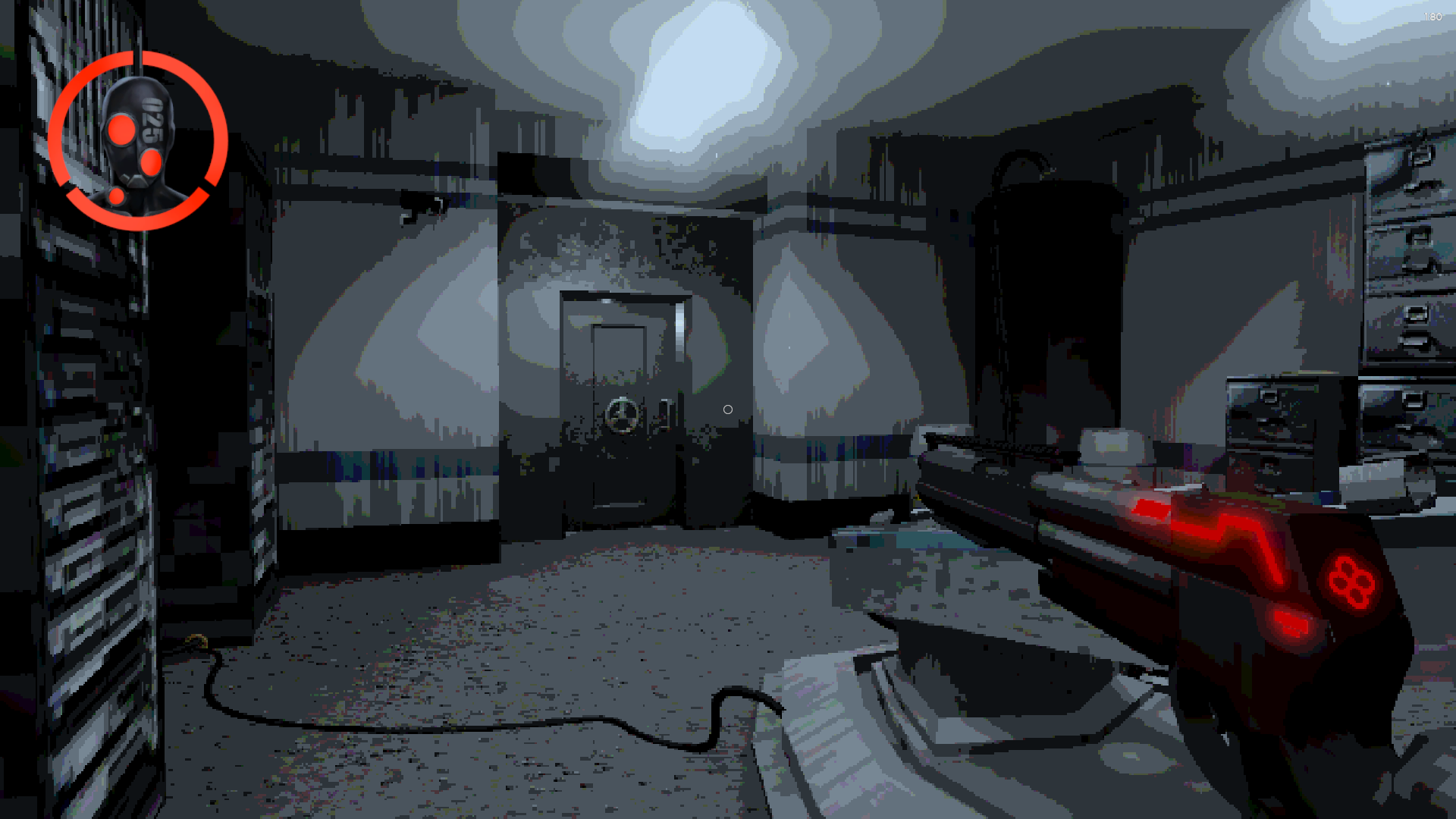
I designed and built every combat space in FOOTSLOG from paper layouts through final implementation. Every room targets immediate player comprehension: strong silhouettes, clear sightlines, and intelligible cover placement so players instantly understand their options.
I followed a repeatable paper-to-playtest workflow: layout on paper, blockout in-engine, script encounters with tight iteration loops, then refine based on team and external feedback.
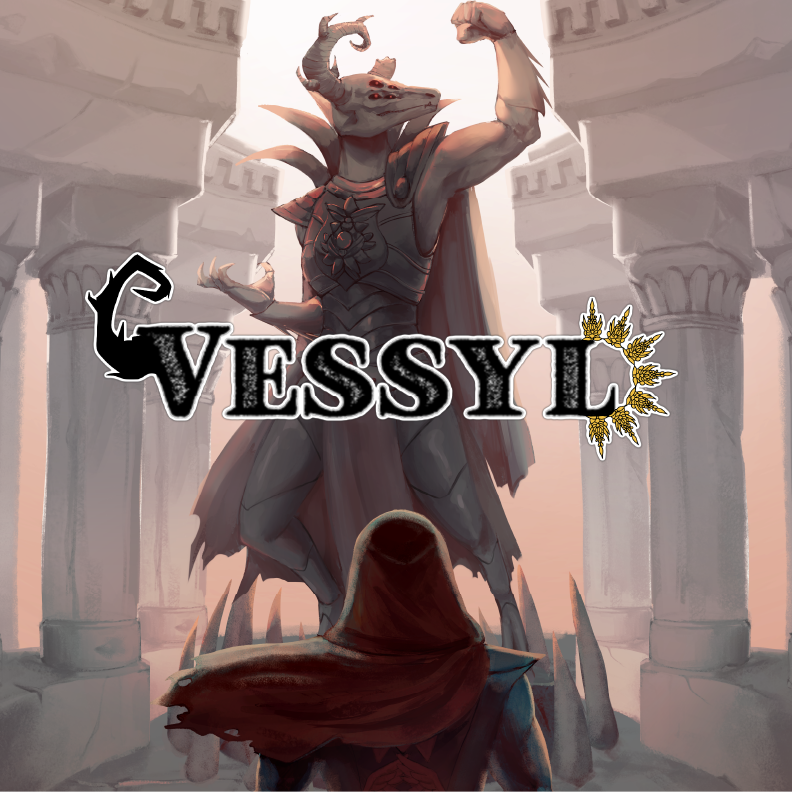
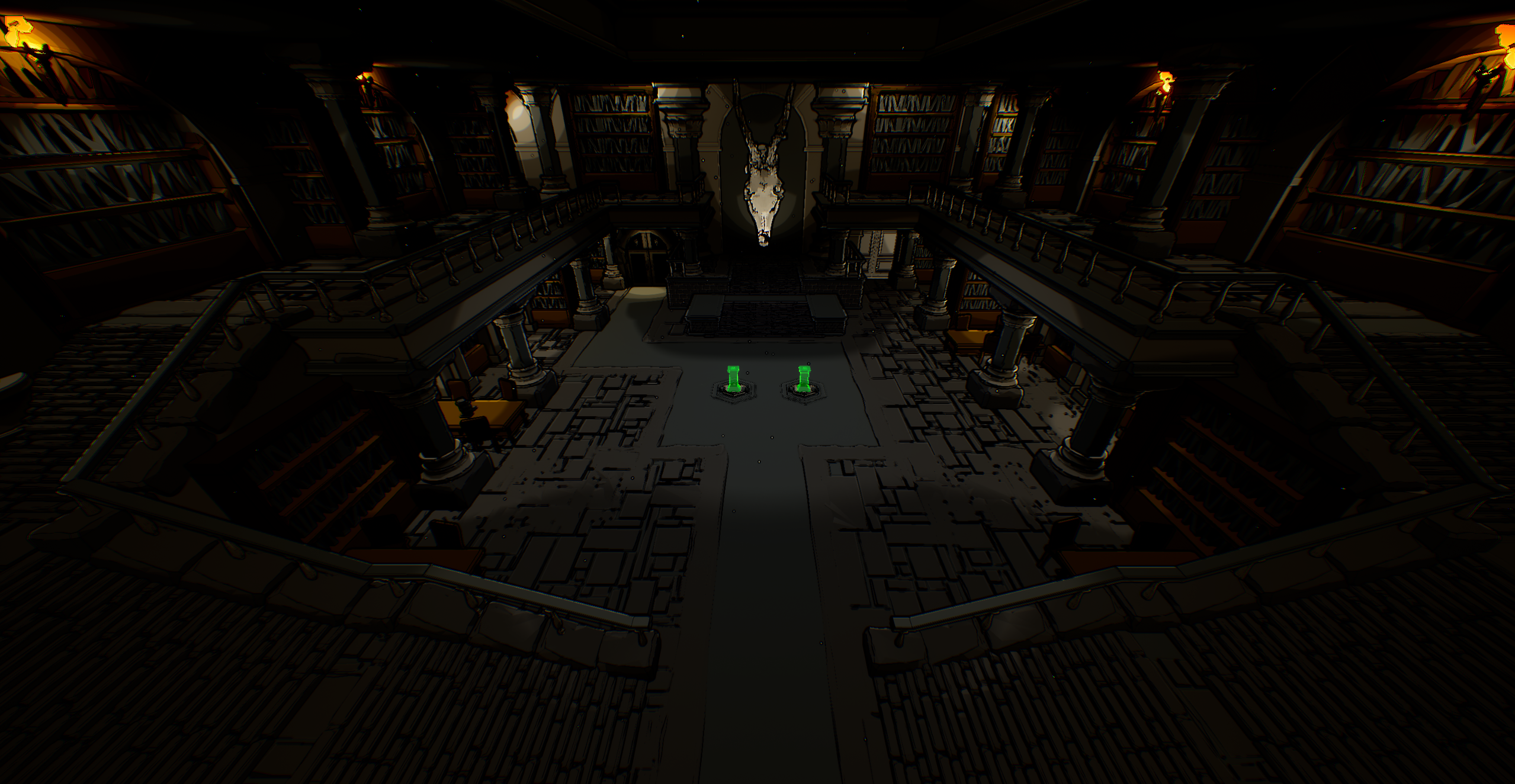
Battle through shifting chambers in this dark rogue-lite beat ‘em up, mastering dodges, strikes, and fluid combos against relentless foes. Harvest devotion to unlock powerful new abilities, enhance your stats, and discover artifacts that transform your combat style as you fight to conquer the dark.
Ideation for Vessyl's level design really started with me analyzing other rogue-lite games such as FTL, Inscryption, Binding of Isaac, and most importantly Curse of the Dead Gods to see how they segmented and structured their level design. Taking inspiration from these games helped to define not only the structure of the levels, but their style as well.
For rapid iteration of levels, we used an Unreal 5 blockout tool. This allowed us to efficiently scale out and make changes to each level following each playtest. This also saved a massive amount of time out of engine. This allowed us to make over 30 levels in under 6 months.
After prototyping each level, I moved to the grey-boxing and early visual pass. This was by far the longest stage and nailing shape language for the different areas in the game took many tries. After many different attempts, I went back to our ideation mood board and drew from our more natural gothic motifs.
The next and current step is lighting then texturing. With so many levels and different atmospheres in the game, it's important to nail a consistent lighting in every room. With the help of Unreal 5's lighting probes I'm currently working on making custom back end lighting pipelines to ensure that no matter what screen Vessyl is played on, the game looks visually consistent. I'm also working on texturing with an Ultrakill-style for models within the game to add extra detail.
After levels were approved from a design and styling standpoint, the coloring and lighting process took place. This included adjusting our post-processing pipeline to use blend spaces in Unreal. This enabled us to tune the outline and cell-shading of each separate object in the world allowing us to control the visual noise of each environment.
All of this culminated in an early access release for the game, and a full visual vertical slice for us to pitch to publishers.
This game is nothing without its team. Working over the past year with Rob, Gil, Pranav, and Ed has been an amazing experience, and I’m so excited to keep building Vessyl as we talk with publishers.
I’m proud to work on Vessyl, but more than that, I want to highlight the long days and problem solving we got through together. Through it all, we weren’t just teammates or co-workers. We were friends. Day in and day out, we made sure to be honest, respectful, and above all else, considerate of each other and the work. If I can get across what Vessyl has taught me it’s this:
Connect with people. Share memories. Be friends. That’s what makes a great teammate. Someone who cares. Enjoy what you do with those you enjoy doing it with. Whether it’s work or not.
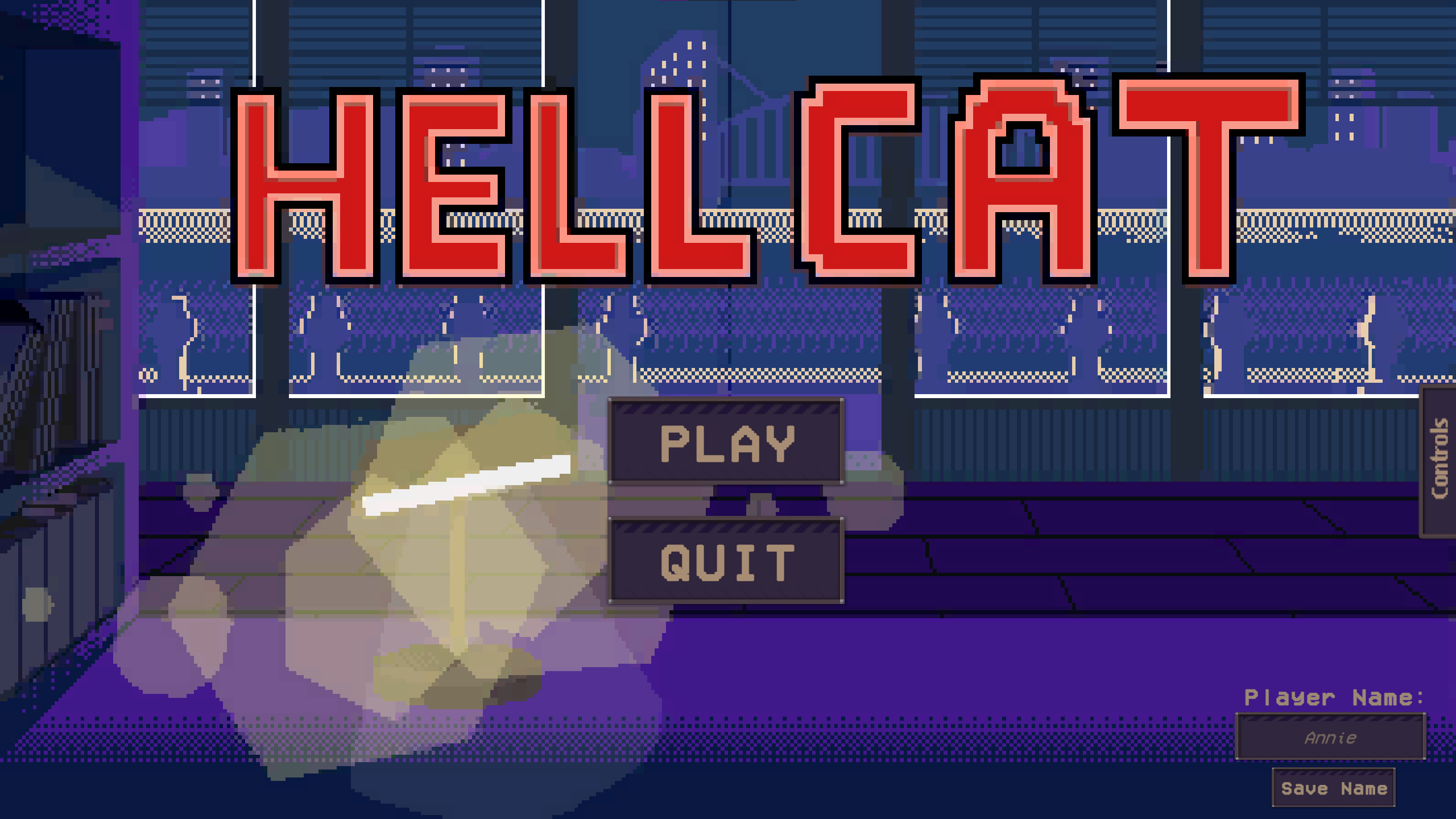
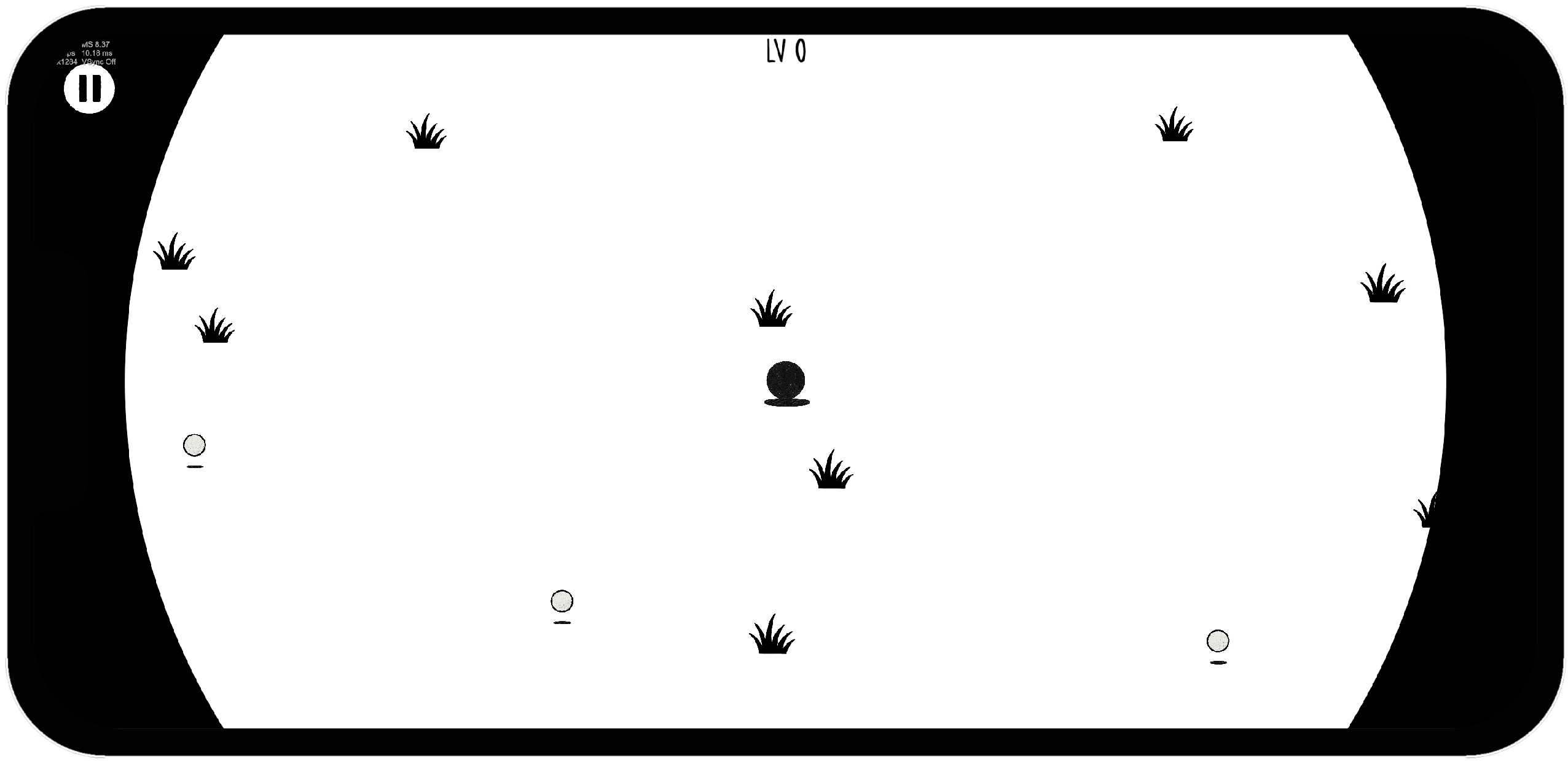
I handled design, programming, art direction, and systems architecture on STILL, a 2D mobile roguelite. I structured the game with modular dungeon segments designed for instant readability on small screens, using color and silhouette hierarchy to communicate gameplay information without overwhelming the player.
The progression curves were tuned through playtesting to encourage multiple runs while maintaining engaging difficulty pacing, with unlock systems, crafting, and per-run upgrades providing strategic depth.
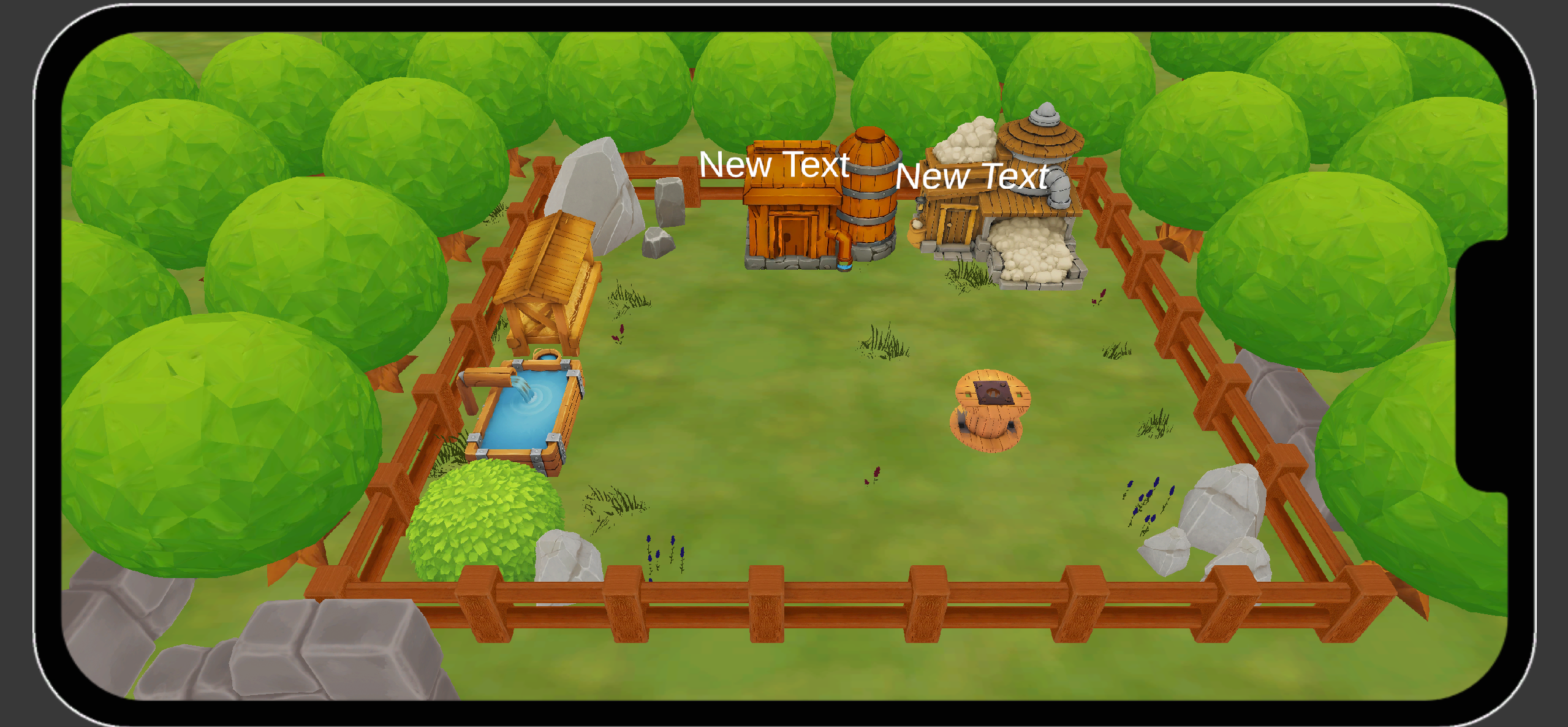
I designed progressive farm layouts where spatial strategy directly impacts efficiency. Each level introduces new mechanics while encouraging thoughtful planning, teaching deeper systems without overwhelming complexity.
I tuned the economy loop to feel rewarding at every stage of progression — from early resource gathering through breeding mechanics, market trading, and seasonal strategies — emphasizing player agency over grinding.
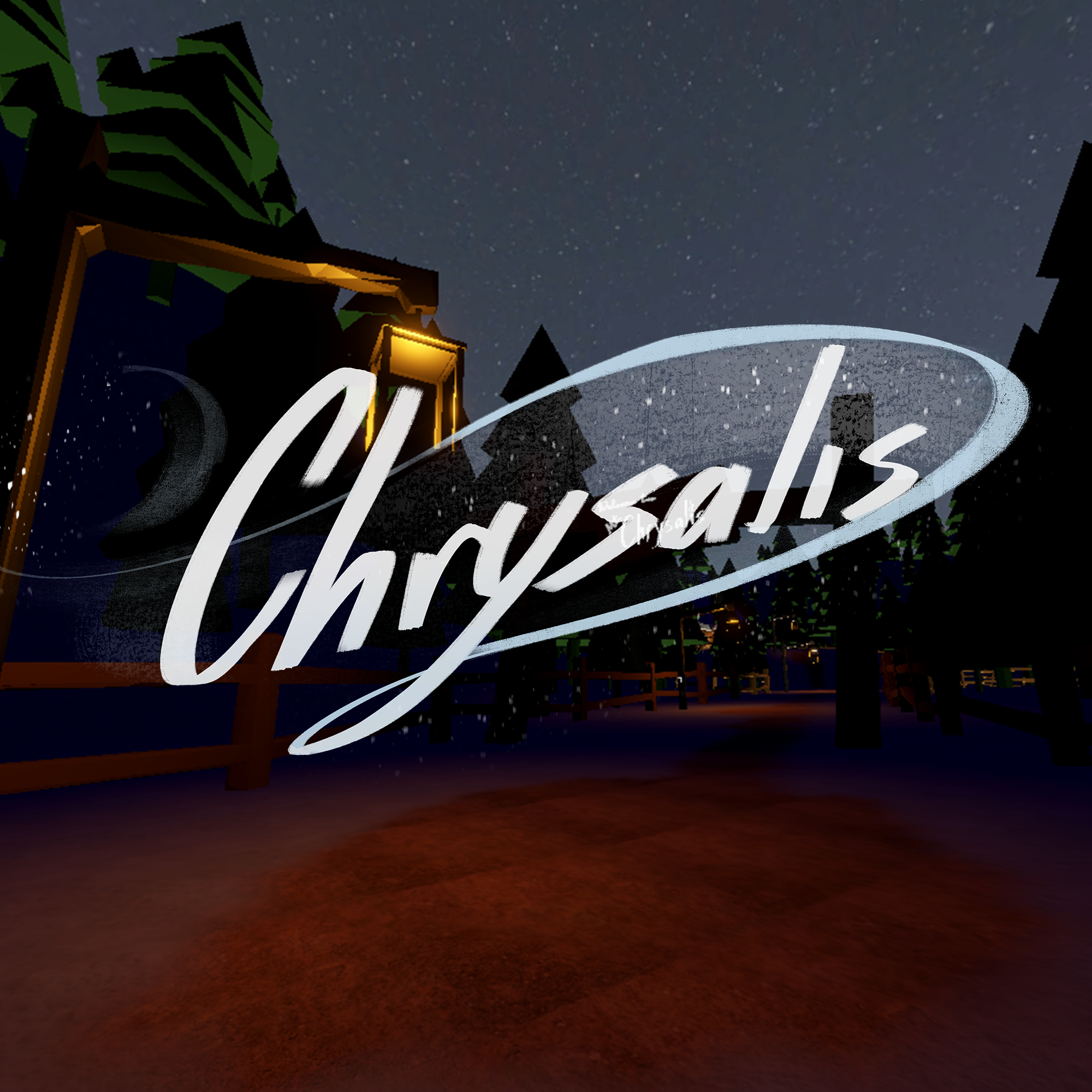
Chrysalis was created in just four days for the Winter Game Jam 2024, and even now, it's still one of my favorite projects I've worked on. I collaborated with three incredibly talented teammates—Aaron, who handled game design and writing, Vicky, our 2D artist, and Jared, our gameplay programmer. Together, we built something that felt polished, strange, and deeply atmospheric.
I was responsible for the level and environmental design, as well as all the 3D modeling and texturing. The game features nearly 150 unique, hand-made models, each built to match the tone and world we were crafting. Every prop, surface, and visual detail was created with the goal of supporting the narrative and gameplay flow, without overcomplicating the experience.
Chrysalis blends quiet storytelling with exploration and visual discovery, and it was the first time I truly felt like the world I built was an active part of how the player understood the game.
Chrysalis wasn't just a game jam project. It became a turning point for me as a developer. At the time, I was deep into work on Vessyl, which had its own systems, engine, and demands. Even though Chrysalis was built in a completely different toolset, it ended up teaching me a lot that carried back into my main project.
This jam gave me the space to sharpen my skills in Blender. Lighting, modeling, composition. All in a smaller, more focused setting. It let me experiment, make fast decisions, and push my process without the pressure of a long pipeline. While the assets I created were simple, the techniques I practiced directly improved my workflow back on Vessyl. It reminded me that no learning is ever wasted, even when the context shifts.
More than that, Chrysalis honestly just cheered me up. It was one of those projects that reminded me why I do this. I don't make games just because it's my career. I do it because I love it. It's something I'd be doing even if no one asked me to. Sure, breaks are important and burnout is real, but at the end of the day, if I had the choice, I'd spend my time building worlds, telling stories, and learning how to do it better.
That's what this jam gave me. A little reset, a lot of growth, and a reminder of why I started in the first place.
Role description coming soon.
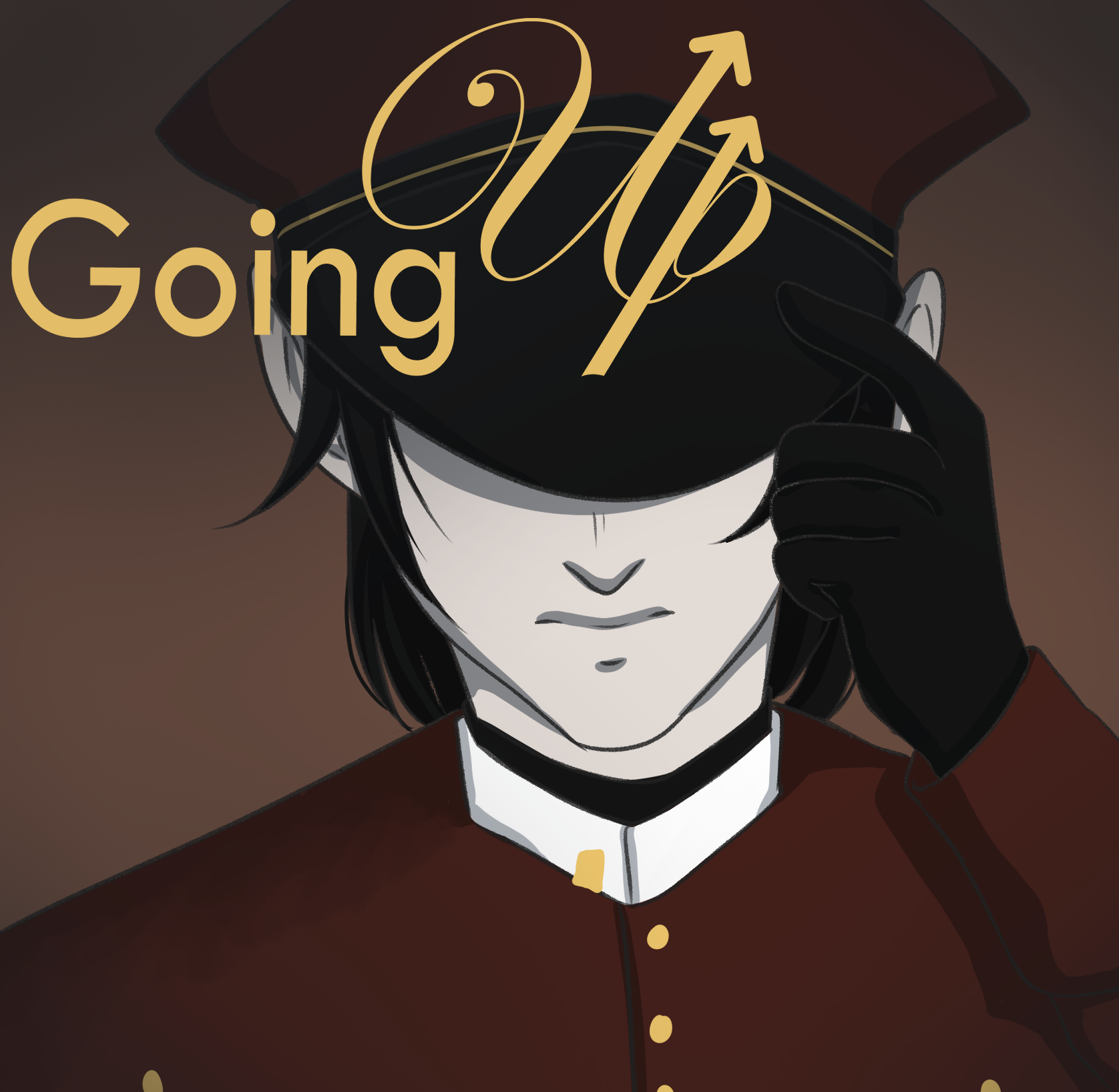
Going Up is an interactive novel where you play as an elevator operator on a quest to help travelers get to their final destination.
Going Up was created during the Xeno Game Jam over the course of just three days. I joined a team of four and took on multiple roles, working as the primary 3D modeler, a gameplay programmer, and a systems designer.
The game is an interactive narrative where you play as an elevator operator guiding travelers to their final destination. While the theme was abstract, our goal was to make something emotionally grounded, mysterious, and polished enough to feel complete despite the tight deadline. From concept to completion, we built the game entirely within the jam window over just 3 days. I contributed to the design layout of the building floors, created 3D assets that matched the stylized tone, and worked on player interaction and progression logic.
Our team communicated fast, iterated often, and leaned into simplicity and clarity. Placing 14th out of over 300 submissions was a proud moment for all of us. It was proof that a focused team, clear scope, and strong communication could bring an idea to life fast and make it resonate.
Going Up was one of the first game jams I ever participated in, and it marked the first time I took on the role of 3D artist for a project. The models were simple, and sure, some of the textures wrapped in weird ways, but for me, it was a milestone. I set out to create an environment that supported the story and added weight to the player's experience, and I genuinely feel like I accomplished that.
More importantly, this project helped me realize something critical: if I wanted to pursue environmental design seriously, I couldn't separate it from gameplay. Worlds feel alive when they react, when they respond to player input and carry meaning beyond the visuals. That means understanding how systems and interactions are built. This was the moment that pushed me to start learning gameplay programming, not just to support others, but to give my environments the life they needed.
And of course, none of it would've been possible without the rest of the team. Collin was our dedicated programmer, Vicky handled all the 2D art, and Aaron brought the world to life through narrative and writing. It was their effort, dedication, and trust that made this project what it was.
Between Bough and Root is a single player 3rd Person Puzzle game where you explore the wonders of a fantasy world where mother nature uses the color spectrum to control and section off areas of the world!
Between Bough and Root is a project in ON GOING DEVELOPMENT RIGHT NOW! The team consists of 5 incredibly talented and dedicated individuals!
Max - 3D & Concept Artist + Animator | Lucas - Web Developer & Gameplay Programmer | Eduardo - Gameplay and System Programmer | Jared - Gameplay Programmer & Producer | Matt - Gameplay + Level Designer & Marketing
On Pastel, I was first and foremost the level and environmental designer, responsible for shaping the game's spaces and creating 3D models for its environments. Alongside that, I led marketing and design development, ensuring the game's tone and presentation aligned with its intended audience. My responsibilities ranged from building and documenting design rationale to iterating on gameplay loops that encouraged curiosity and engagement. I gathered and analyzed player data to develop consumer profiles for M.A.G.I.C. Spell Studios, which shaped both our creative and marketing decisions. I also designed and implemented UI elements that matched the game's branding and coordinated closely with the marketing team to maintain a consistent tone across in-game assets and promotional materials.
Pastel taught me that understanding your audience isn't optional, it's foundational. The tone, mechanics, and even how we shaped the world all relied on being honest about who we were designing for. I also learned how vital concept art is to a project. Without a strong visual foundation, it's too easy for a game's look to drift and lose cohesion.
This was also the project where agile and scrum stopped being buzzwords for me. I implemented them out of necessity, not instruction. Structuring our workflow around realistic sprints and team needs gave the project rhythm and clarity.
But the biggest thing I walked away with was a shift in how I see camera design. I used to think of the camera as a tool, but this project reframed it as a core mechanic. Every puzzle, every movement, every design choice has to be filtered through that lens. Whether you're designing levels, systems, or gameplay moments, knowing exactly how the player sees and interacts with the space is what makes it all work.
Physix's was the very first game I ever developed. I built it solo in Construct 3 back in 2019, and at the time, I didn't fully realize how much it would shape my future. It was my first real step into game development, and it opened my mind to just how much was possible with the right tools and ideas.
The project was heavily inspired by Super Meat Boy, and it taught me a lot about level design, iteration, and the kind of precise, responsive gameplay I've come to love. It was simple, fast-paced, and rough around the edges, but it pushed me to keep learning.
Even now, Physix's is still one of my favorite things I've ever made. It sparked my curiosity about how games work under the hood and set me on the path to learning Unity and eventually Unreal. It reminded me that all it takes is a small idea and a willingness to try.
When I made Physix's, I didn't really know what part of game development I wanted to stick with. I just knew I liked making stuff and wanted to see if I could actually finish something. So I did what anyone starting out probably does. I did everything. Art, code, design, UI, menus. All of it. It was messy, but it worked. And more importantly, it was mine.
But somewhere in the middle of that chaos, I started to notice what kept pulling me back.
I liked scripting and solving problems, but I kept thinking about space. How it's shaped. How players move through it. What they see first. How it feels. That's when it started to make sense. Level and environmental design wasn't just something I enjoyed. It was the part I wanted to get good at.
Physix's helped me figure that out. It taught me that exploring every part of development is valuable, but finding the piece that clicks with you is what gives you direction. I still mess around with other roles, but when it comes down to it, I know where I do my best work.
Physix's showed me what actually finishing a game looks like. I didn't just build a prototype. I got through a vertical slice, tweaked it, tested it, and brought it to a point where I could say it was done. That process gave me a better understanding of what alpha and beta really mean, and what it takes to get something to gold, even on a small scale.
It also helped me realize that solo development has limits. It's a great way to learn, but there were moments where I knew the game would have been stronger if I had someone focused entirely on sound, or visuals, or polish. That's when I started to appreciate just how important it is to work with people who specialize. The kind of people who live what they do and bring that focus into every frame, every decision.
Physix's was a turning point. It got me excited to learn engines, workflows, and better tools. It gave me momentum I didn't expect. And honestly, I still think about it whenever I start something new.
As the Producer for S.T.A.R., I was responsible for driving development across a large, multidisciplinary team of 27 developers. My focus was on structuring our workflow using Agile methodologies, keeping scope manageable, and ensuring we hit milestones without compromising the game's core design vision. I built and maintained our development timeline, led sprint planning, and handled task delegation across design, programming, and art departments. Regular stand-ups, progress check-ins, and sprint retros helped keep the team aligned and the project moving forward. I also handled internal documentation, QA scheduling, and communication between departments to reduce friction during integration phases. Beyond logistics, I worked closely with the lead designer and engineers to mediate design pivots and ensure that player feedback during testing was incorporated into iterative builds. It was a balancing act between vision, scope, and practicality but a rewarding one. By launch, S.T.A.R. was fully playable in-browser on itch.io, and our team had a solid vertical slice that delivered on resource trading, raiding encounters, and multi-path exploration.
With a great team, you can make just about anything. With a bad team, you can't make anything at all.
When I signed on to produce S.T.A.R., I didn't fully understand what being a producer meant. I figured it was about schedules, checklists, maybe a few spreadsheets. I learned pretty quickly that it was much more than that. It was about people. About stepping up when things got confusing. About being the one to carry the flag, especially when no one else was sure which direction to go.
Early in the project, I was introduced to Agile and SCRUM. Not in a textbook sense, but in a real-world, "we have 27 people and a deadline" sense. Sprint planning, stand-ups, retrospectives, it all clicked because we needed it to. We weren't just managing tasks, we were trying to build something together. So I spent my time building a structure that could hold that process. I organized tasks across teams, made sure feedback actually turned into iteration, and tried to create a rhythm that let people do their best work without getting overwhelmed.
But leading S.T.A.R. wasn't just about keeping the wheels turning. I wanted this team's work to be seen. Not just as a school project, but as something real. So I started pushing for something bigger: taking the game to GDC. It was a long shot, but I put together proposals, helped coordinate funding, and worked with faculty to make it happen. And somehow, we did. SUNY Poly approved it, and we brought 13 students to San Francisco to represent our program and show off the game we made together.
Standing there with my teammates outside the convention center, ready to present S.T.A.R. to developers from around the world, was one of the proudest moments of my life. Not because everything went perfectly, but because I saw what it meant to lift a team, not just manage one. We were there because we believed in what we made. And I got to help bring that belief to life.
Producing S.T.A.R. taught me what leadership really looks like. It's not about being in charge, it's about being in service. It's about listening, adapting, and making sure no one gets left behind. And it's about never letting the fear of failure stop you from chasing something bigger.
I didn't earn that award alone. The Leadership & Initiative Award may have had my name on it, but it belonged just as much to the people I worked beside. My team, my friends, and everyone who helped turn long nights and wild ideas into something real. I'm proud of what I did, but I'm even more proud of the people I did it with.
That moment, standing there with the plaque, was more than recognition. It was a turning point. It became my launchpad into grad school and the next chapter of my life. It helped me earn a place in the Game Design and Development Master's program at RIT, where I had the chance to grow as both a designer and a leader.
That program shaped me. I learned to lead multi-disciplinary teams across entire production cycles. I built tools and pipelines to help others work faster. I designed levels, systems, and environments that put player experience first. And I got to study under developers and researchers who pushed me to think critically about the games we make and why they matter.
That award may have opened the door, but the work, the people, and the lessons I took with me are what made me ready to walk through it.
Message Sent!
I'll get back to you soon.